


What Affects Commercial Vehicle Branding Costs and Value
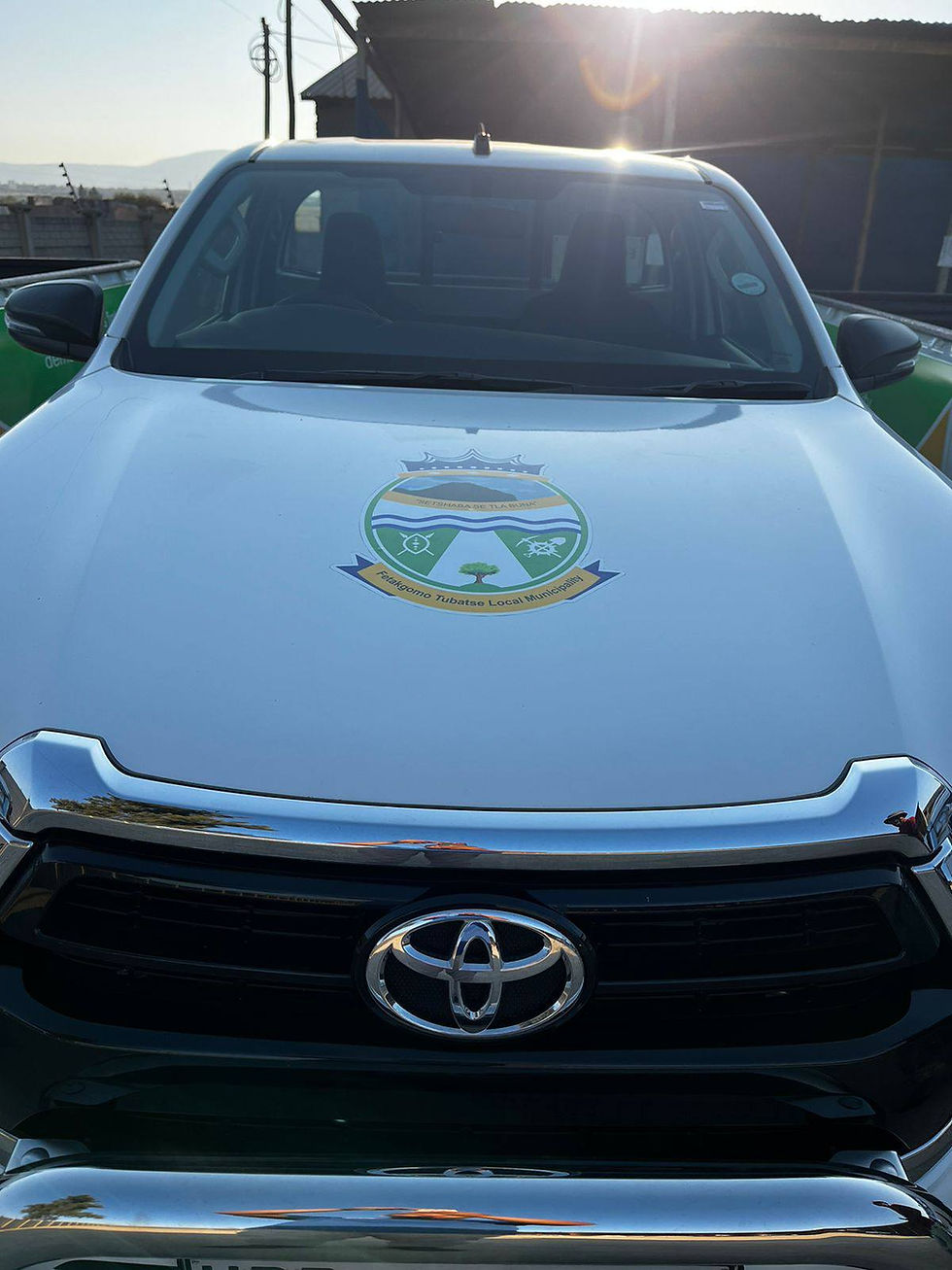
Commercial vehicle branding has become one of the most effective ways for businesses to promote their services and products. Using company vehicles as moving advertisements not only increases brand visibility but also creates a professional impression wherever your vehicles go. Vehicle branding is a marketing investment that combines creative design with practical exposure, but many business owners often wonder what factors influence the cost and overall value of such branding. Understanding these factors can help you make smarter decisions, optimize your investment, and get the best return from your marketing efforts.
1. Type of Vehicle
The type of vehicle you want to brand significantly affects the overall cost. Larger vehicles like trucks and buses require more material and labor compared to small vans or cars. A compact car might need only a partial wrap or simple decals, while a full-sized truck or delivery van may require full vehicle wrapping. The more surface area that needs coverage, the higher the cost. Additionally, unusual vehicle shapes or curved surfaces may require specialized work, which can also increase pricing.
2. Material and Quality
The materials used in vehicle branding play a crucial role in both cost and long-term value. High-quality vinyl wraps, laminates, and protective coatings ensure durability, vibrant colors, and resistance to weather conditions. Cheaper materials may reduce upfront costs but can fade, peel, or tear faster, reducing the lifespan and visual impact of the branding. Investing in premium materials may cost more initially, but it ensures your branding lasts longer, providing better value over time.
3. Design Complexity
The complexity of the branding design is another major factor affecting costs. Simple logo placement or minimal text is relatively inexpensive, whereas intricate graphics, multiple colors, gradients, or custom illustrations require more design effort and precise printing. Detailed designs may also take longer to apply, increasing labor costs. On the other hand, a well-thought-out, eye-catching design enhances your brand’s appeal and can attract more attention, increasing the value of your vehicle branding investment.
4. Type of Branding
There are different types of vehicle branding options, each with varying costs:
Full Vehicle Wraps: Cover the entire vehicle, providing maximum exposure. These are generally the most expensive but offer the highest visual impact.
Partial Wraps: Cover specific parts of the vehicle, like doors or the rear. Less material is used, making it a cost-effective option.
Decals and Stickers: Simple and affordable for smaller messages or logos, but they offer limited visibility and less impact than full wraps.
Magnetic Signs: Easily removable and reusable, suitable for businesses that share vehicles for personal use.
Choosing the right type depends on your budget, vehicle usage, and marketing goals.
5. Labor and Installation
Labor costs for installing vehicle branding can vary depending on the expertise required. Experienced installers ensure a smooth, bubble-free application and accurate alignment of graphics. Poor installation can lead to wrinkles, peeling, or uneven coverage, which not only looks unprofessional but may require costly rework. While hiring skilled professionals may increase initial costs, it ensures your branding looks polished and lasts longer, adding more value to your investment.
6. Maintenance and Longevity
The lifespan of your vehicle branding impacts its value over time. Proper maintenance, such as regular cleaning and avoiding harsh chemicals, helps preserve the colors and adhesion of vinyl wraps or decals. Some high-quality wraps come with protective coatings that resist UV rays and scratches. Considering maintenance and durability when planning your budget ensures that your branding continues to deliver marketing benefits without frequent replacement costs.
7. Geographic and Market Factors
Where your business operates can also affect vehicle branding costs. Cities with higher living and labor costs may charge more for installation services. Additionally, demand for professional branding services in certain regions may affect pricing. However, branding your vehicle in busy urban areas or high-traffic locations can significantly increase its visibility and value. A well-branded vehicle in a prime location essentially becomes a moving billboard, reaching thousands of potential customers every day.
8. Return on Investment (Value)
Ultimately, the value of vehicle branding isn’t just measured by the initial cost but by the return on investment it provides. A well-branded vehicle creates consistent brand awareness, builds trust with potential customers, and reinforces professionalism. It can also complement other marketing efforts like social media or local advertising. By carefully considering the type of vehicle, materials, design, installation, and maintenance, you can maximize both the impact and longevity of your branding, ensuring your investment pays off in long-term visibility and customer recognition.
Conclusion
Understanding what affects commercial vehicle branding costs and value is essential for businesses looking to leverage mobile advertising effectively. Factors such as vehicle type, material quality, design complexity, installation, and maintenance all influence the price and the long-term benefits you receive. Investing in high-quality materials and professional installation not only enhances your brand’s appearance but also maximizes visibility and durability.
For businesses aiming to grow their brand, vehicle branding remains a cost-effective, high-impact marketing strategy that continues to deliver value over time. By planning carefully and considering the key cost factors, you can make informed decisions and ensure your branding delivers maximum results for your business.


Comments